
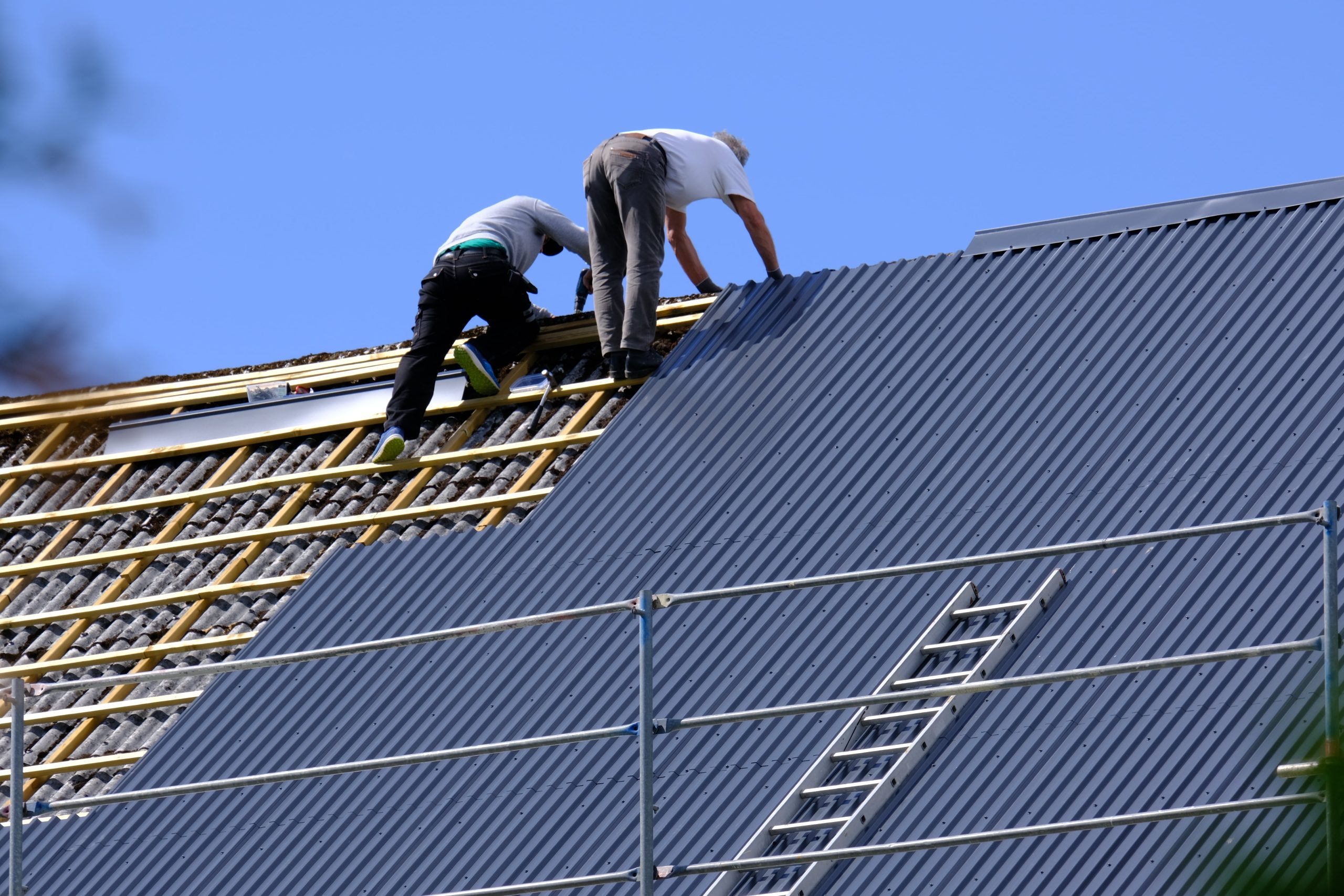
Your roof is one of the most important parts of your home, protecting everything underneath it from rain, wind, snow, and sun. But like every other part of your house, a roof doesn’t last forever. Knowing when it’s time to repair versus replace can save you money, prevent water damage, and keep your family safe. In this guide, we’ll walk through the clearest signs that your roof needs replacing, how long different materials typically last, and what factors affect the cost of a new roof.
Signs Your Roof Needs Replacement
Not every roof problem means you need a full replacement, but certain signs are strong indicators that repairs won’t be enough.
Age of the Roof Most asphalt shingle roofs last between 20 and 25 years. If your roof is approaching or past this age, even if it looks fine from the ground, it may be losing its ability to protect your home effectively. Older roofing materials become brittle and less resistant to weather over time.
Missing or Damaged Shingles A few missing shingles here and there can often be repaired. But if you’re noticing widespread curling, cracking, or shingles that are completely gone in multiple areas, this points to a roof that’s failing overall, not just in a few isolated spots.
Granule Loss Check your gutters for small granules that look like coarse sand. These granules protect shingles from UV rays, and heavy loss means your shingles are breaking down and losing their protective layer.
Leaks and Water Stains Water stains on your ceiling or walls are one of the most serious warning signs. If leaks keep happening even after repairs, it usually means the underlying roof structure has been compromised.
Sagging Roof Deck A sagging or drooping roofline is a serious structural issue. It often means the roof deck has been weakened by prolonged moisture exposure and needs immediate attention.
Daylight Through the Roof Boards If you go into your attic and can see daylight coming through the roof boards, this means there are gaps or holes that need more than a patch job.
Mold, Mildew, or Rot Persistent moisture problems can lead to mold and mildew growth in the attic or on the roof deck. This is a health hazard and a sign of ongoing water infiltration.
Rising Energy Bills An aging or damaged roof often loses its insulating properties, causing your heating and cooling system to work harder. If your energy bills have crept up without an obvious reason, your roof could be part of the problem.
Roof Repair vs. Roof Replacement
| Factor | Roof Repair | Roof Replacement |
|---|---|---|
| Best for | Isolated damage, minor leaks | Widespread damage, aging roof |
| Roof age | Under 15 years | Over 20 years |
| Cost | Lower upfront cost | Higher upfront, longer-term value |
| Lifespan added | A few years | 20-30+ years depending on material |
| Energy efficiency | Minimal improvement | Significant improvement |
| Home value impact | Slight | Major boost to resale value |
| Frequency of issues | Recurring problems likely | Fresh start, fewer future repairs |
This comparison makes it easier to decide which option fits your situation. If your roof has multiple issues happening at once, or if it’s already near the end of its expected lifespan, replacement is usually the smarter long-term investment.
How Long Do Different Roofing Materials Last?
Roofing material plays a big role in how soon you’ll need a replacement:
- Asphalt shingles: 20-25 years
- Architectural shingles: 25-30 years
- Metal roofing: 40-70 years
- Wood shakes: 25-30 years
- Slate: 75-100+ years
- Clay or concrete tile: 50+ years
Homes with standing seam or other metal roofing systems tend to go decades longer before replacement is needed, while standard asphalt shingle roofs are the most common material replaced within 20-25 years.
What Affects the Cost of Roof Replacement?
Several factors influence how much a roof replacement will cost:
- Roof size and pitch – Larger and steeper roofs require more materials and labor.
- Material choice – Metal and slate cost more upfront than asphalt shingles but last much longer.
- Removal of old roofing – Tear-off and disposal of the existing roof adds to labor costs.
- Structural repairs – If the roof deck is damaged, additional repairs will be needed before new roofing goes on.
- Local labor rates – Costs vary by region and contractor availability.
Getting a professional inspection is the best way to get an accurate estimate rather than guessing based on age or appearance alone.
The Roof Replacement Process
A typical roof replacement involves several steps:
- Inspection and Estimate – A contractor inspects the roof, identifies problem areas, and provides a written estimate.
- Material Selection – You choose the roofing material and color that best fits your home and budget.
- Tear-Off – The old roofing is removed down to the deck.
- Deck Repair – Any damaged or rotted decking is replaced.
- Underlayment and Flashing Installation – A protective barrier and flashing are installed to prevent future leaks.
- New Roofing Installation – The chosen material is installed according to manufacturer specifications.
- Final Inspection and Cleanup – The contractor checks the work and clears debris from the property.
Homeowners considering a full roof replacement should always ask for a detailed written estimate and timeline before work begins, so there are no surprises during the project.
Choosing the Right Contractor
Roof replacement is a major investment, so choosing an experienced, licensed, and insured contractor matters. Look for:
- Local reviews and references
- Proper licensing and insurance
- Clear written warranties on materials and labor
- Transparent, itemized estimates
- Experience with your specific roofing material
Avoid contractors who pressure you into quick decisions or who can’t provide proof of insurance and licensing.
Final Thoughts
Recognizing the signs of roof failure early can save you from costly water damage and structural issues down the road. Whether it’s an aging roof, missing shingles, leaks, or rising energy bills, these warning signs shouldn’t be ignored. A timely replacement not only protects your home but also boosts its value and energy efficiency for years to come.
If you’re noticing any of these warning signs, don’t wait for a small problem to turn into a major repair. In & Out Contracting offers professional roof inspections and replacements to keep your home safe and protected for years to come.