
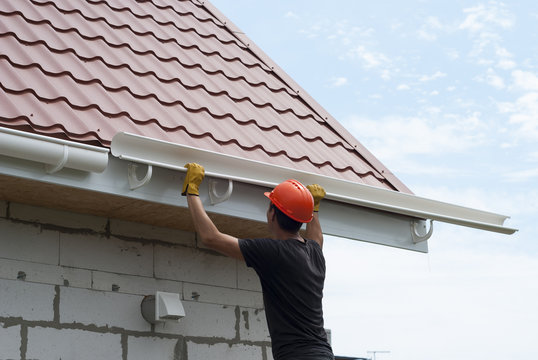
Gutters are one of those home features that only get attention when something’s already gone wrong, water pooling near the foundation, a section sagging after a heavy rain, or a stain creeping down the siding where a downspout used to work properly. Until one of those problems shows up, most homeowners don’t think about their gutters at all, even though the system is doing constant, quiet work every time it rains.
This guide covers what residential gutter services actually involve, why a properly functioning gutter system matters more than it gets credit for, and how to tell when repair, replacement, or a fresh installation is the right call. For a closer look at how this gets handled on an actual property, these complete residential gutter services break down the full scope, but here’s what every homeowner should understand first.
What Residential Gutter Services Actually Cover
Residential gutter services include new gutter installation, repair of existing systems, and full replacement of gutters that have reached the end of their usable life. This spans everything from a single section repair after storm damage to a complete seamless gutter installation designed to reduce future leaks and clogs.
The core function of a gutter system is directing rainwater away from a home’s roofline, walls, and foundation. When that system is working properly, water gets channeled safely away from the structure. When it’s not, whether from clogs, sagging, cracks, or improper original installation, water ends up exactly where it shouldn’t: against the foundation, behind the siding, or pooling in areas that gradually cause much more expensive damage than the gutter issue itself.
Why Gutter Function Matters More Than It Gets Credit For
It’s easy to underestimate what a gutter system is actually protecting against, because when it’s working correctly, there’s nothing to notice. The moment gutters start failing, whether through clogging, improper slope, or physical damage, water stops being directed away from the home and starts finding the path of least resistance, which is often straight down the side of the house or pooling right at the foundation.
Over time, that misdirected water can lead to foundation issues, roofline damage, wood rot at the fascia and soffit, and erosion in the landscaping around the home. None of these problems happen overnight, which is exactly why gutter issues tend to get ignored until the damage becomes visible in a much more expensive part of the house.
Residential Gutter Services Myths vs. Reality
Because gutters are often overlooked until there’s an obvious problem, a number of assumptions circulate that don’t hold up once you understand how the system actually functions.
| Myth | Reality |
|---|---|
| “Gutters just need to be cleaned out occasionally, nothing else.” | Beyond clearing debris, gutters need proper slope, secure attachment, and intact seams to function correctly, all of which can degrade over time even with regular cleaning. |
| “Any sagging or minor damage can just wait.” | Sagging sections often indicate a failing attachment point, and delaying repair typically allows water infiltration to worsen the surrounding damage before it’s addressed. |
| “Seamless gutters aren’t worth the extra cost over sectional ones.” | Seamless systems eliminate the joints where sectional gutters most commonly develop leaks, which translates into fewer long-term maintenance issues. |
| “Gutter problems only affect the gutters themselves.” | Misdirected water from a failing gutter system commonly leads to foundation issues, fascia rot, and landscaping erosion well beyond the gutters themselves. |
| “All gutter materials perform about the same.” | Material choice affects durability, maintenance needs, and how well the system holds up to regional weather conditions over its lifespan. |
| “If water isn’t overflowing, the system is working fine.” | A gutter can still be misdirecting water at ground level, near the foundation, or behind siding without any visible overflow, which is why periodic inspection matters beyond just watching for overflow. |
What the Gutter Service Process Typically Involves
A proper gutter project, whether repair, replacement, or new installation, follows a consistent process to ensure the system actually performs as intended.
Inspection and evaluation — The current gutter system, or in the case of new construction, the roofline itself, gets assessed to determine the right approach and identify any existing issues.
Problem identification — Leaks, sagging, improper slope, or clogging patterns get identified so the right fix, rather than a generic one, gets applied.
Material selection — Gutter type and style get chosen based on the home’s needs, weather exposure, and whether a seamless system makes sense for the property.
Installation or repair work — Depending on the scope, this includes new installation, targeted repair of damaged sections, or full replacement of an outdated system.
Final testing and cleanup — Proper water flow gets confirmed before the job is considered complete, along with a clean finish that leaves no debris behind.
Signs Your Gutter System Needs Attention
A few consistent signs tend to indicate it’s time for repair, replacement, or at minimum a closer inspection:
Visible sagging or pulling away from the roofline — This usually points to a failing attachment point that will continue worsening without repair.
Water marks or staining on siding below the gutter line — This often indicates water is overflowing or leaking rather than being properly channeled through the downspout.
Pooling water near the foundation — This is one of the more serious signs, since prolonged foundation exposure to water can lead to significant structural issues over time.
Gutters that are frequently clogged despite regular cleaning — This can indicate improper slope or sizing that isn’t matched to the home’s actual water flow needs.
Visible cracks, holes, or rust spots — These compromise the system’s ability to properly channel water and typically worsen over time if left unaddressed.
Questions Worth Asking Before Starting a Gutter Project
Given how much gutter function affects the rest of the home, a few direct questions upfront tend to lead to a system that actually performs well long-term:
- Has the full system been inspected, or is the estimate based only on the most visibly damaged section?
- Does a seamless gutter system make sense for this home, or is a sectional system more appropriate?
- What gutter material and size best suits this property’s roofline and regional weather conditions?
- What’s included in terms of downspout placement and drainage away from the foundation?
A contractor who addresses these specifics, rather than offering a generic quote, is usually the one who understands what actually determines whether a gutter system performs well for years or develops the same problems again.
Frequently Asked Questions
How do I know if my gutters need repair or full replacement? This depends on the extent of the damage and how many sections are affected. Isolated issues like a single sagging section are often repairable, while widespread damage, rust, or age-related deterioration usually points toward full replacement.
Are seamless gutters actually better than sectional gutters? Seamless systems eliminate the joints where sectional gutters most commonly develop leaks over time, which generally results in fewer maintenance issues, though the right choice depends on the specific property and budget.
How often should gutters be inspected? Regular inspection, particularly after major storms or seasonal changes, helps catch issues like sagging, clogging, or improper slope before they lead to more significant water damage elsewhere on the property.
Can failing gutters actually damage my home’s foundation? Yes, when gutters aren’t properly directing water away from the home, water can pool near the foundation over time, which is one of the more serious consequences of a poorly functioning gutter system.
What’s involved in a new gutter installation for an existing home? This includes an inspection of the current roofline, material and style selection suited to the home, proper installation with attention to slope and downspout placement, and final testing to confirm proper water flow.
Protecting Your Home Starts at the Roofline
A properly functioning gutter system is one of the more overlooked forms of home protection, quietly preventing foundation issues, siding damage, and landscape erosion every time it rains. The homes that avoid these costly secondary problems are almost always the ones where gutter issues got addressed early, rather than ignored until the damage showed up somewhere more expensive.
If you’re noticing signs of gutter trouble or you’re due for an inspection, it’s worth getting a proper assessment rather than waiting for a bigger problem to make the decision for you. In & Out Contracting has handled gutter projects across homes at every stage, from routine repairs to full seamless gutter installations, based on what each property actually needs.