
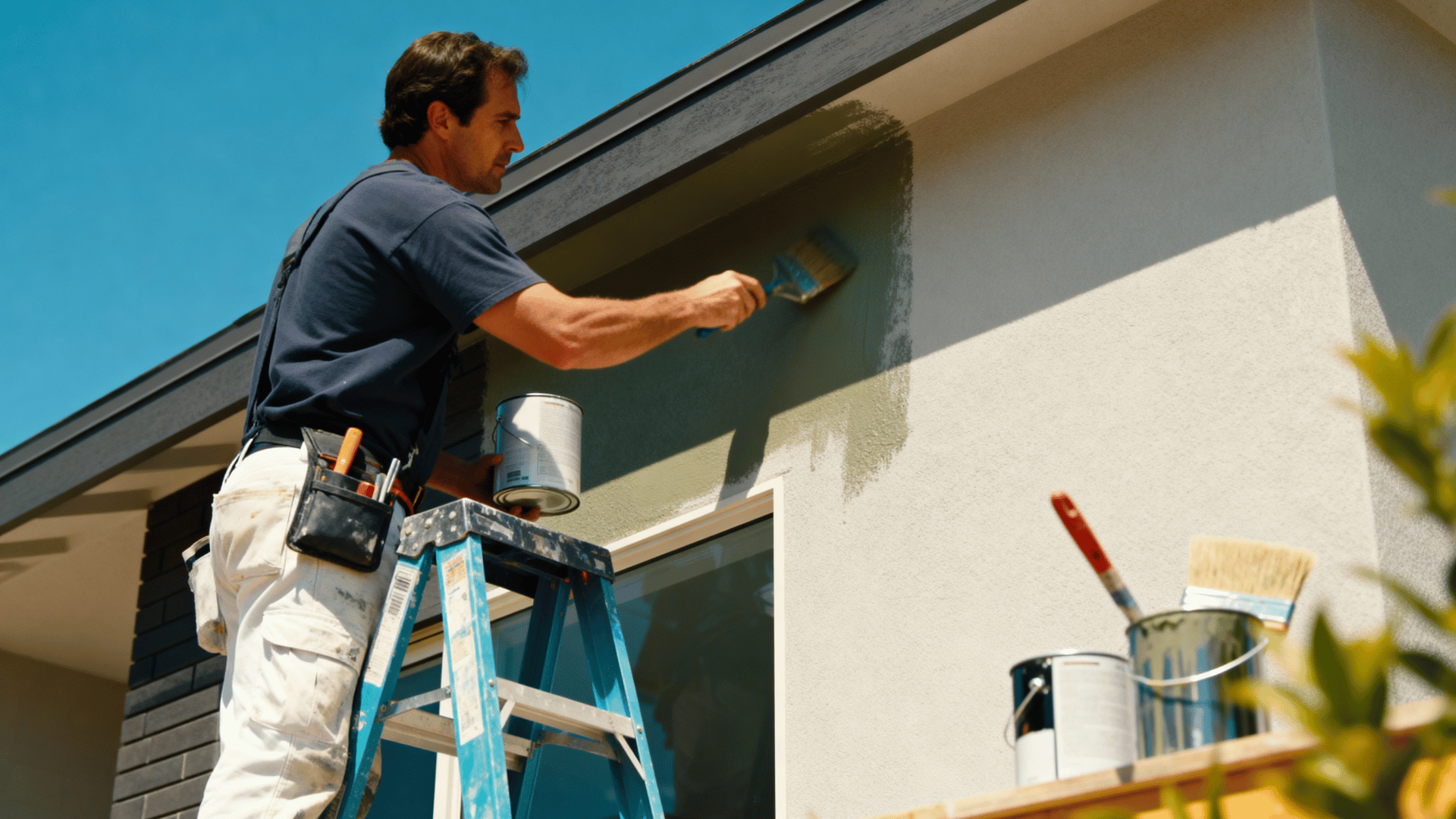
A fresh coat of paint is one of the fastest ways to transform how a home looks from the street, but it’s also a bigger investment than most homeowners expect once they start collecting quotes. In 2026, exterior painting costs vary widely depending on the size of the home, the condition of the existing surface, and the materials chosen. This guide breaks down what you can realistically expect to pay, what drives the price up or down, and how to compare estimates with confidence.
Average Exterior Painting Cost in 2026
Nationally, exterior painting in 2026 typically runs between $2.50 and $6.00 per square foot of exterior surface, including labor, paint, and prep work. For an average single-family home with roughly 1,500–2,000 square feet of exterior wall area, that works out to $4,000 to $9,000 for a full repaint. Larger homes, homes with extensive trim or architectural detail, or homes requiring significant prep work can push costs higher, sometimes reaching $12,000 or more.
Smaller projects, like painting just the trim, shutters, or a single section of siding, typically cost far less — often $800 to $2,500 depending on the scope.
What Drives the Cost of Exterior Painting
Home size and surface area. This is the most direct cost factor — more square footage of siding, trim, and detail work means more labor hours and material.
Surface condition and prep work. Homes with peeling paint, bare wood, or existing damage require more scraping, sanding, priming, and sometimes minor repairs before painting can begin. This prep work often accounts for a significant portion of the total cost, and skipping it leads to a paint job that fails prematurely.
Siding material. Wood siding generally requires more prep and a different paint approach than vinyl, stucco, brick, or fiber cement, each of which has its own cost implications.
Number of stories. Two- and three-story homes require additional equipment like ladders or scaffolding, and the added labor and safety considerations increase cost compared to single-story homes.
Paint quality. Premium exterior paints cost more upfront but typically last longer and resist fading, cracking, and moisture better — often a worthwhile trade-off given how labor-intensive repainting is.
Trim, shutters, and architectural detail. Homes with lots of trim, multiple colors, or intricate architectural features take longer to paint carefully, which adds labor time even without increasing overall square footage dramatically.
Accessibility. Homes with landscaping, fencing, or tight side yards that limit access can add time and cost compared to an open, easily accessible property.
Cost Comparison by Project Scope
| Project Scope | Typical Cost Range | Notes |
|---|---|---|
| Full exterior repaint (average home) | $4,000 – $9,000 | 1,500–2,000 sq ft, standard prep |
| Full exterior repaint (larger/detailed home) | $9,000 – $15,000+ | Extensive trim, multiple stories |
| Trim and shutters only | $800 – $2,500 | Smaller scope, still requires proper prep |
| Heavy prep required (peeling/bare wood) | +$1,000 – $3,000 | Added scraping, sanding, priming |
| Two-story home premium | +10% – 20% | Added equipment and labor time |
These figures are general ranges — the only way to know your exact cost is a detailed, in-person assessment of your home’s specific surface condition and layout.
Why Prep Work Matters More Than People Expect
It’s tempting to think of exterior painting as mostly about the paint itself, but the truth is that proper preparation is what determines how long the job actually lasts. Painting over peeling, cracked, or dirty surfaces without addressing the underlying issue almost always leads to premature failure — sometimes within a year or two. A thorough job includes pressure washing, scraping loose paint, sanding rough areas, spot-priming bare wood, and caulking gaps around trim and windows before a single coat goes on. Homeowners comparing quotes should ask specifically what prep work is included, since this is often where budget-priced quotes cut corners.
Choosing the Right Paint for Your Climate
Paint performance varies significantly based on climate exposure. Homes that face direct sun for much of the day benefit from UV-resistant formulas that resist fading, while homes in humid or coastal areas benefit from moisture- and mildew-resistant paints. A quality contractor will recommend paint formulated for your specific exposure and siding material rather than defaulting to a one-size-fits-all product, since the wrong paint choice can shorten the lifespan of an otherwise well-prepped job.
Signs It’s Time to Repaint Your Home’s Exterior
A few common signs point to repaint timing:
- Visible peeling, cracking, or bubbling paint on siding or trim
- Chalky residue that comes off on your hand when you touch the surface
- Faded color that’s noticeably different from when the home was last painted
- Bare wood exposed in spots, especially around trim, corners, or window frames
- Wanting to update curb appeal before selling or simply refreshing an outdated color
If several of these apply, especially exposed bare wood, it’s worth getting an assessment soon, since exposed surfaces are vulnerable to moisture damage the longer they’re left unprotected.
How to Get an Accurate Quote
A reliable exterior painting quote should specify the prep work included, the number of coats, the paint brand and quality tier being used, and a realistic timeline based on your home’s size and the weather forecast. Avoid vague, single-number quotes with no breakdown — a transparent estimate makes it much easier to compare bids fairly and understand exactly what you’re paying for.
In & Out Roofing & Painting provides professional exterior painting services for homeowners throughout Pennsville, NJ and the surrounding Salem County area, with thorough prep work and quality materials on every project.
Frequently Asked Questions
1. How long does exterior painting take?
Most single-family homes take three to seven days from prep through final coat, depending on size, weather, and the amount of prep work required. Larger or more detailed homes can take longer.
2. How often should a home’s exterior be repainted?
Most homes need repainting every 5 to 10 years, depending on siding material, climate exposure, and paint quality. Wood siding in harsh climates may need attention sooner than vinyl or fiber cement.
3. What’s the best time of year for exterior painting?
Mild, dry weather with moderate temperatures produces the best results, since paint needs stable conditions to cure properly. Spring and fall are typically ideal in most climates.
4. Do I need to prime bare wood before painting?
Yes. Bare or exposed wood should always be primed before painting to help the paint adhere properly and to protect the wood from moisture — skipping this step significantly shortens the paint’s lifespan.
5. Is it worth paying more for premium exterior paint?
In most cases, yes. Premium paints resist fading, cracking, and moisture better than budget options, which means a longer-lasting job and fewer repaints over time, often making the higher upfront cost worthwhile.
Conclusion
Exterior painting costs in 2026 depend on home size, surface condition, siding material, and the quality of paint and prep work used, but understanding these factors ahead of time makes it much easier to budget accurately and compare contractor quotes fairly. A properly prepped, quality paint job protects your home’s exterior for years, not just months. In & Out Roofing & Painting — contact us today for a free, no-obligation estimate on your exterior painting project in Pennsville, NJ.