
Your roof protects your home from rain, wind, moisture, and changing weather conditions. When part of the roofing system becomes damaged, even a small problem can allow water to enter your home. If the issue goes unnoticed, it may affect ceilings, walls, insulation, and other parts of the property.
Many roofing problems begin with signs that homeowners can notice from inside or outside the house. Water stains, missing shingles, damaged flashing, and debris in gutters may indicate that the roof needs attention. However, some problems remain hidden until they cause visible damage.
Knowing what to look for can help you arrange an inspection before a minor roofing issue becomes a larger repair project. Here are seven signs that your roof may need professional attention and what you should do when you notice them.
1. Water Stains on Ceilings or Walls
Water stains are among the most noticeable signs of a possible roof leak. You may see brown or yellow marks on a ceiling, damp patches near an exterior wall, or paint that begins to bubble or peel.
These signs can appear after heavy rain, but a leak does not always produce immediate or obvious damage. Water may travel along roof decking, framing, or other building materials before becoming visible inside the home.
What Water Stains May Indicate
- Damaged or missing roofing shingles
- Worn or improperly sealed flashing
- Problems around roof vents or other openings
- Damaged underlayment or roof decking
- Water entering near a chimney or roof-to-wall connection
Keep in mind that not every ceiling stain comes from the roof. Plumbing leaks, condensation, and other moisture problems can create similar marks. The source should be identified before repairs begin.
What You Should Do
If you notice a new stain, check whether it grows or becomes damp after rainfall. Take a photo to document changes, and look for other signs such as peeling paint or a musty smell.
Do not climb onto the roof to investigate a suspected leak. Wet roofing surfaces can be slippery, and damaged areas may not safely support your weight.
Arrange a professional roof inspection to identify where the water is entering. If water is actively coming inside, move furniture and belongings away from the affected area when safe. Contact an appropriate professional promptly, especially if the ceiling is bulging or showing signs of structural weakness.
Finding the source of the leak is essential. Repairing the visible stain without correcting the underlying problem will not protect your home from further moisture damage.
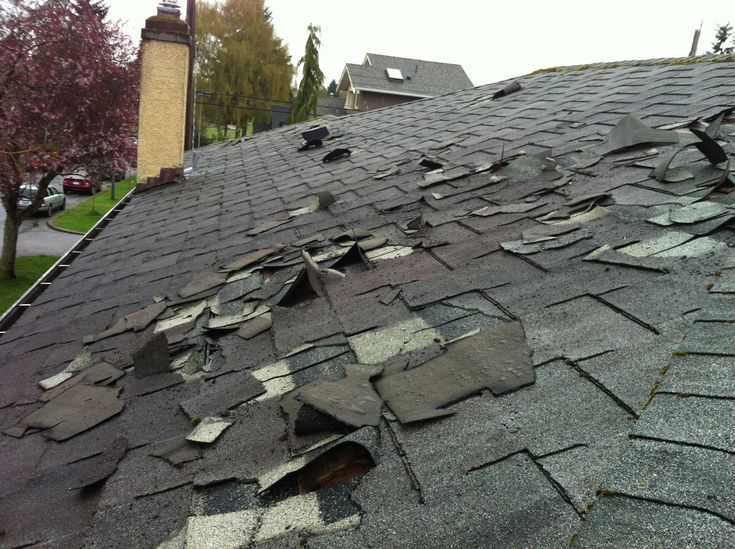
2. Missing, Cracked, or Curling Shingles
Shingles form an important protective layer on many residential roofs. They help shed water and protect the underlying roofing materials from weather exposure.
Over time, shingles may become damaged by wind, falling branches, aging, or repeated exposure to the elements. If shingles are missing, cracked, lifted, or curling at the edges, water may have an easier path beneath the roof covering.
Signs to Look For
Missing shingles: Bare patches may be visible from the ground, especially after strong winds or storms.
Cracked shingles: Splits or breaks can weaken the roof’s ability to shed water properly.
Curling edges: Shingles that turn upward or develop uneven edges may no longer lie flat against the roof.
Loose or lifted shingles: Raised sections may indicate wind damage or problems with fastening.
Shingle granules: Granules protect asphalt shingles from weather exposure. Some loss is normal as a roof ages, but heavy buildup in gutters may indicate wear that needs assessment.
You may notice these issues from the ground or see pieces of roofing material in the yard. Avoid walking on the roof to get a closer look.
Can Damaged Shingles Be Repaired?
The right solution depends on the extent of the damage, the condition of nearby shingles, and the age of the roof.
If the problem is limited to a small area, replacing damaged shingles may be sufficient. If the roof has widespread deterioration or repeated damage, a contractor may recommend a broader repair plan or evaluate whether replacement is more practical.
A professional inspection helps determine which option fits the condition of your roof.
After a storm, pay particular attention to visible changes. Even if the roof does not appear to be leaking, damaged shingles should be assessed before water reaches the underlying materials.
3. Damaged Flashing Around Roof Openings
Flashing consists of materials installed around roof features and joints to help direct water away from vulnerable areas. It is commonly found around chimneys, vents, skylights, and certain roof-to-wall connections.
Because these areas interrupt the main roofing surface, they require careful installation and maintenance. If flashing becomes loose, corroded, cracked, or separated from adjoining materials, water may enter through the opening.
Common Signs of Flashing Problems
- Gaps around a chimney or roof vent
- Loose metal pieces visible near roof joints
- Cracked or deteriorated sealant around certain connections
- Water stains near ceilings or walls below roof openings
- Signs of rust or separation around flashing components
Some flashing problems are difficult to see from the ground. A leak near a chimney or skylight may also appear some distance away from the actual entry point because water can travel through the roof structure.
Why Flashing Repairs Matter
Replacing shingles alone may not resolve a leak if damaged flashing is the real cause. The contractor needs to assess the connection, surrounding roofing materials, and any signs of moisture damage.
Depending on the condition, the repair may involve resecuring flashing, replacing damaged sections, correcting installation issues, or repairing nearby materials.
Avoid relying on a quick surface seal as a permanent fix without understanding the cause of the problem. The repair method should suit the flashing material, roof design, and location of the leak.
If you notice water around a chimney, vent, or skylight after rain, arrange an inspection to determine whether flashing or another component needs attention.
4. Sagging Areas Along the Roofline
A roof should generally maintain its intended shape. If you notice a visible dip, uneven section, or sagging area, it may indicate a problem that needs prompt professional evaluation.
Sagging can have several causes, including moisture-damaged roof decking, weakened structural components, excessive loads, or problems with the roof’s original construction. The cause cannot be confirmed by appearance alone.
Warning Signs to Watch For
- A roofline that appears uneven when viewed from the ground
- A dip or depression in part of the roof
- Ceiling areas that appear to bow or change shape
- Long-term moisture problems around the affected section
- Visible changes that seem to worsen over time
Do not assume a sagging area is simply a cosmetic issue. Structural concerns can affect the safety of the building, especially when damage is progressing.
What to Do if Your Roof Is Sagging
Arrange a professional assessment as soon as possible. Avoid climbing onto or placing additional loads on the affected area.
If the roof or ceiling appears unstable, or you hear cracking sounds or notice sudden movement, keep people away from the area and seek urgent professional help. If there is an immediate risk of collapse, leave the affected space.
The repair may require more than replacing the outer roofing material. Depending on the findings, a contractor may need to assess the roof decking and supporting structure or involve an appropriately qualified structural professional.
Early assessment can help establish the extent of the problem and determine the safest way to address it.
5. Roof Leaks That Keep Returning
A recurring roof leak is a sign that the original problem may not have been fully corrected. You might notice water stains returning after each storm, damp insulation, or moisture appearing in the same room even after previous repairs.
Repeated leaks can occur when the repair addressed the visible symptom rather than the source of the water entry. They may also indicate several damaged areas or roofing materials that are approaching the end of their useful life.
Why Roof Leaks May Return
The leak source was misidentified: Water can travel before becoming visible indoors, making the actual entry point difficult to locate.
Nearby components are damaged: Flashing, vents, valleys, and other roof details may need attention along with the main roofing material.
The repair was incomplete: A temporary patch may not correct damaged materials or an underlying installation problem.
The roof has widespread wear: Multiple weak areas can allow new leaks to develop even after one section is repaired.
Moisture damage remains: Wet or damaged materials may require additional attention after the water entry has been corrected.
How to Handle a Recurring Leak
Keep a record of when the leak appears, where you see moisture, and whether it follows particular weather conditions. This information may help a contractor investigate the issue.
If repairs have already been completed, share details of the earlier work and any available warranty information. A new inspection can help determine whether the same area is failing or a separate problem has developed.
Repeated leaks should not be ignored. Continued moisture can damage insulation, finishes, wood components, and other parts of the home.
A thorough assessment can help identify the underlying cause and establish a more suitable repair plan.
6. Granules or Roofing Debris Collecting in Gutters
Gutters can provide useful clues about the condition of your roof. If you notice large amounts of shingle granules or roofing debris collecting inside them, it may be worth arranging an inspection.
Asphalt shingles naturally lose some granules over time. Granule loss can increase as the roof ages, and some loose material may also appear after installation. However, heavy or persistent accumulation can indicate that the shingles are wearing down or have been affected by weather or physical damage.
What to Look For
- Large amounts of gritty material in the gutters
- Shingle pieces or fragments near downspouts
- Noticeable bald patches on asphalt shingles
- Roofing debris in the yard after a storm
- Gutters that are repeatedly filling with material from the roof
Gutter debris alone does not prove that a roof needs repair or replacement. The amount of material, the roof’s age, and the visible condition of the shingles all matter.
Check the Roof and Drainage System Together
When assessing the roof, a contractor may also review the gutters and downspouts. Clogged or damaged gutters can prevent water from draining properly, increasing the chance of overflow near the roof edge or building foundation.
Keep gutters clear of leaves and other debris, and make sure water can flow through the downspouts. If the gutters are difficult or unsafe to reach, consider professional cleaning.
If you see substantial granule loss alongside cracked, curling, or missing shingles, request a roof inspection. The contractor can assess whether localized repairs are appropriate or whether the roofing system shows broader signs of wear.
7. Higher Energy Bills or Changes in Indoor Comfort
A change in your home’s comfort or energy use may sometimes point to a problem involving the roof or attic. For example, certain roofing defects, inadequate ventilation, damaged insulation, or air leaks can contribute to uneven indoor temperatures.
However, higher energy bills do not automatically mean your roof needs repair. Weather, energy prices, heating and cooling equipment, and household habits can also affect energy use.
Signs Worth Investigating
- Rooms that become unusually hot or cold
- Temperature differences between floors
- Persistent drafts near the ceiling or attic access
- Signs of moisture affecting attic insulation
- A noticeable change in energy use without an obvious explanation
If you notice these changes, consider the condition of the roof and attic as part of a broader home assessment.
How Roofing and Attic Conditions Can Affect Comfort
The roof is one part of the home’s overall building envelope. Its performance works alongside insulation, ventilation, air sealing, windows, and heating and cooling systems.
A roof leak can allow moisture to affect insulation, reducing its effectiveness and creating conditions for further damage. Poor attic ventilation or air leakage may also contribute to comfort issues, depending on the home’s design.
A contractor can inspect the roof for visible defects, while an insulation or HVAC professional may be needed to evaluate other causes.
Avoid replacing roofing materials solely because your bills have increased. Identify the cause first so that any work addresses the actual problem.
What Happens During a Professional Roof Repair Inspection?
A professional roof inspection helps determine which parts of the roofing system need attention. The exact process depends on the roof type, accessibility, visible symptoms, and reported damage.
A contractor may begin by asking about the roof’s age, recent storms, previous repairs, and any leaks you have noticed. This background can help guide the assessment.
The inspection may include the following steps:
- Reviewing visible roofing materials: The contractor checks for missing shingles, cracks, loose sections, and other signs of wear.
- Examining roof details: Flashing, vents, valleys, chimneys, and other vulnerable connections may be assessed for damage.
- Checking for moisture signs: Where safely accessible, the contractor may look for signs of water entry or damage to related materials.
- Assessing the reported problem: The contractor investigates the likely source of the leak or visible defect.
- Explaining repair options: Recommendations should reflect the findings, the extent of the damage, and the condition of the surrounding roof.
- Providing an estimate: Before work begins, ask for details about the proposed repairs, materials, costs, and any relevant warranty terms.
Not every roof can be inspected safely by walking on its surface. A professional should choose an appropriate inspection method based on the roof’s condition and access.
Once the assessment is complete, ask questions about the recommended work. Understanding what needs repair and why can help you make an informed decision.
Roof Repair or Roof Replacement: Which Is Better?
Not every roofing problem requires a complete replacement. In many cases, repairing a limited damaged area may restore the roof’s protective function. However, extensive deterioration or repeated failures may make replacement worth considering.
When Roof Repair May Be Suitable
Repair may be appropriate when the damage is limited and the surrounding roofing materials remain in good condition.
Examples include a small leak caused by a damaged flashing section, a few missing shingles, or localized damage after a storm.
The contractor should still assess the surrounding materials to make sure the repair addresses the full problem.
When Replacement May Be Worth Considering
Replacement may be more practical when the roof has widespread damage, extensive deterioration, or recurring problems across several areas.
The roof’s age, material type, repair history, and the condition of the underlying structure can all affect the decision.
A roof that needs repeated repairs may cost more to maintain over time than a suitable replacement, but this should be evaluated based on the actual condition and expected costs.
Ask for a clear explanation of both options when possible. Compare the immediate cost, expected performance, extent of work, and any applicable warranties before deciding.
The goal is not to choose the largest project or the cheapest repair. It is to select a solution that addresses the roof’s condition and provides appropriate protection for your home.
Frequently Asked Questions About Roof Repair
1. What is the most common sign that a roof needs repair?
Water stains, missing shingles, damaged flashing, and recurring leaks are common warning signs. An inspection can help identify the cause and determine the appropriate repair.
2. Can a small roof leak cause serious damage?
Yes. A small leak can allow moisture to affect insulation, wood components, ceilings, and walls if it continues. Addressing the source early can help limit further damage.
3. Should I repair my roof after a storm if I do not see a leak?
It is worth checking for visible damage after a significant storm, even if water is not entering the home. Missing shingles, damaged flashing, or other defects may need attention before a leak develops.
4. How do I know if my roof needs repair or replacement?
The decision depends on the extent of damage, the roof’s age and condition, and the likely cost of continued repairs. A professional inspection can help you compare suitable options.
5. Can I inspect my roof myself?
You can look for visible signs from the ground and check for water stains inside your home. Avoid climbing onto the roof, particularly when it is wet, steep, damaged, or unstable.
Protect Your Home by Addressing Roof Problems Early
Your roof plays an important role in keeping your home protected from weather and moisture. Water stains, missing shingles, damaged flashing, sagging areas, and recurring leaks are all reasons to investigate the roof’s condition.
Pay attention to changes after storms and keep track of problems that return after previous repairs. Although some signs may have causes unrelated to the roof, a professional assessment can help identify the source and determine what needs attention.
If you notice roofing problems, avoid climbing onto the roof or attempting repairs that could put you at risk. Arrange an inspection and ask for a clear explanation of the recommended work before making a decision.
For homeowners in Pennsville, NJ, In & Out Roofing & Painting provides roof repair services to help address roofing issues and protect residential properties. Visit the roof repair service page to learn more or contact the company to discuss your roofing concerns.